About Wild Sundarbans Safari
Field-led mangrove expeditions shaped by experience, ecological respect, and patient wildlife observation.
The Journey Behind the Expedition
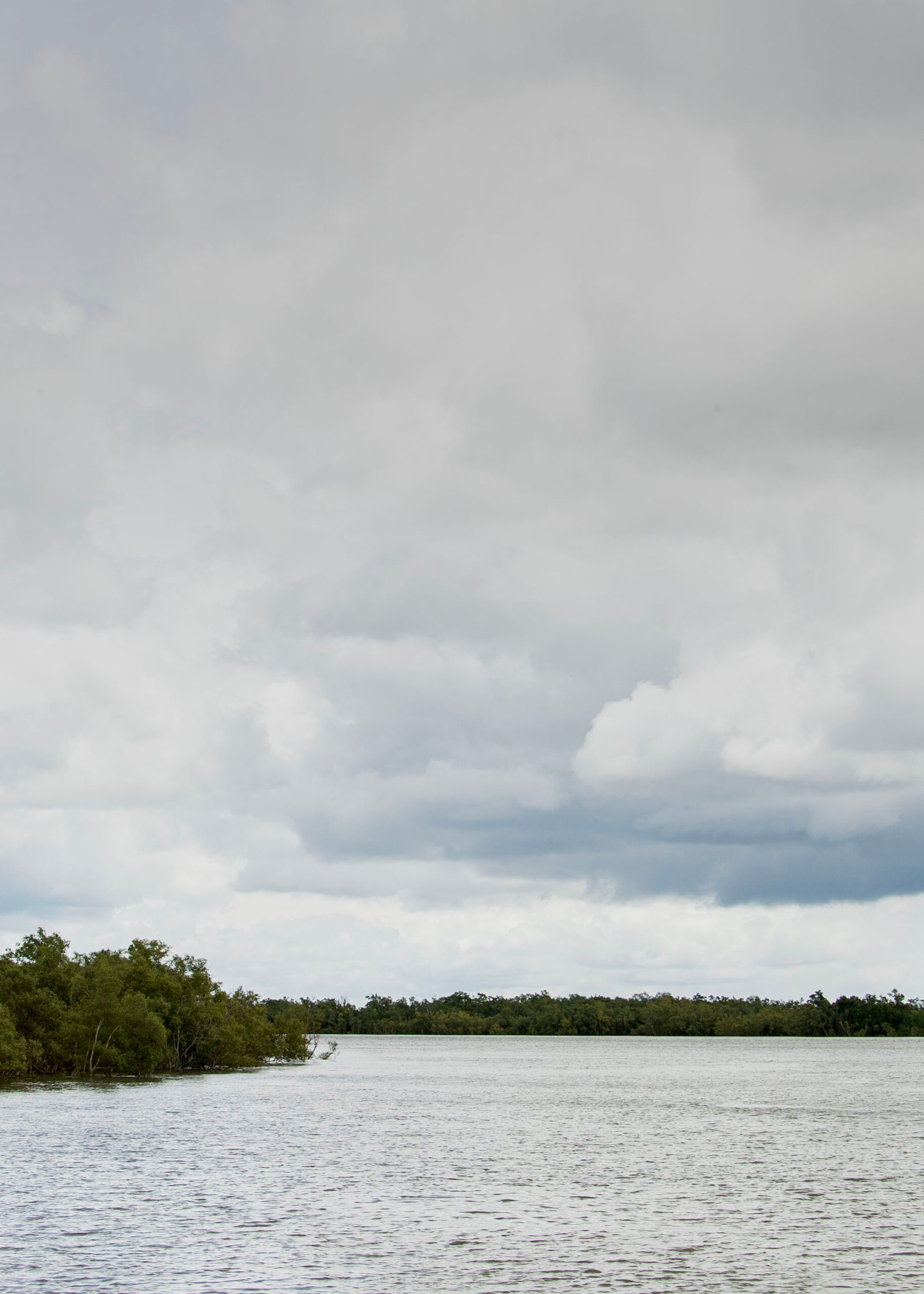
For nearly two decades, the forests and tidal creeks of eastern India have shaped a continuous journey through wildlife observation and field photography. What began as quiet documentation gradually evolved into a deeper engagement with ecological rhythms, animal behavior, and the fragile balance of mangrove wilderness.
Years of patient wildlife photography and field documentation across the Sundarbans developed into a closer understanding of the region — not simply as a destination, but as a living tidal ecosystem shaped by silence, weather, shifting waterways, and time itself. Long hours in the field revealed that meaningful wildlife encounters rarely emerge from hurried travel, but from disciplined observation and respect for natural movement.
Wild Sundarbans Safari was created from this philosophy: small-group expeditions designed for immersive wildlife observation, responsible field practices, and a slower, more attentive experience within one of India’s most complex wilderness landscapes.
“The forest reveals itself slowly to those willing to observe patiently.”
Why These Expeditions Exist
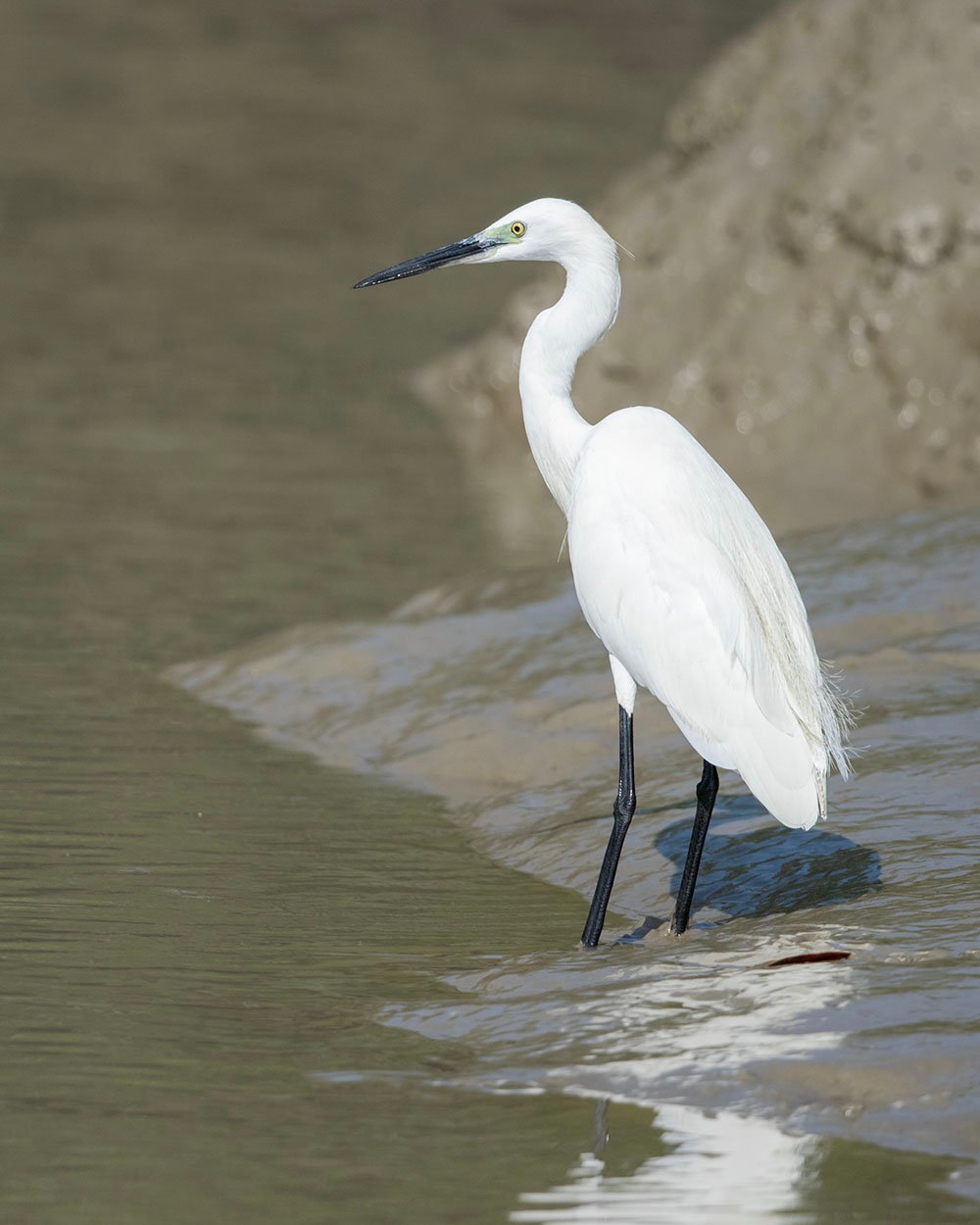
Wild Sundarbans Safari was created to move away from hurried tourism and toward quieter, more respectful wilderness observation shaped by patience, ethics, and field awareness.
Respect for the Tidal Ecosystem
Field movement follows the rhythms of tide, weather, and habitat sensitivity rather than fixed tourist schedules.
Small Group Wilderness Exploration
Expeditions are intentionally limited in size to allow quieter movement, flexible field positioning, and more immersive wildlife observation.
Ethical Wildlife Photography
Photography is approached as documentation and observation, never through disturbance, baiting, or interference.
Patience Over Forced Sightings
Wildlife encounters are never rushed or manufactured. Observation is guided by patience, silence, and respect for natural behavior.
Our Field Philosophy
Wildlife observation in the Sundarbans is guided by patience, ecological respect, and disciplined field movement rather than fixed expectations.
Small Groups, Deeper Observation
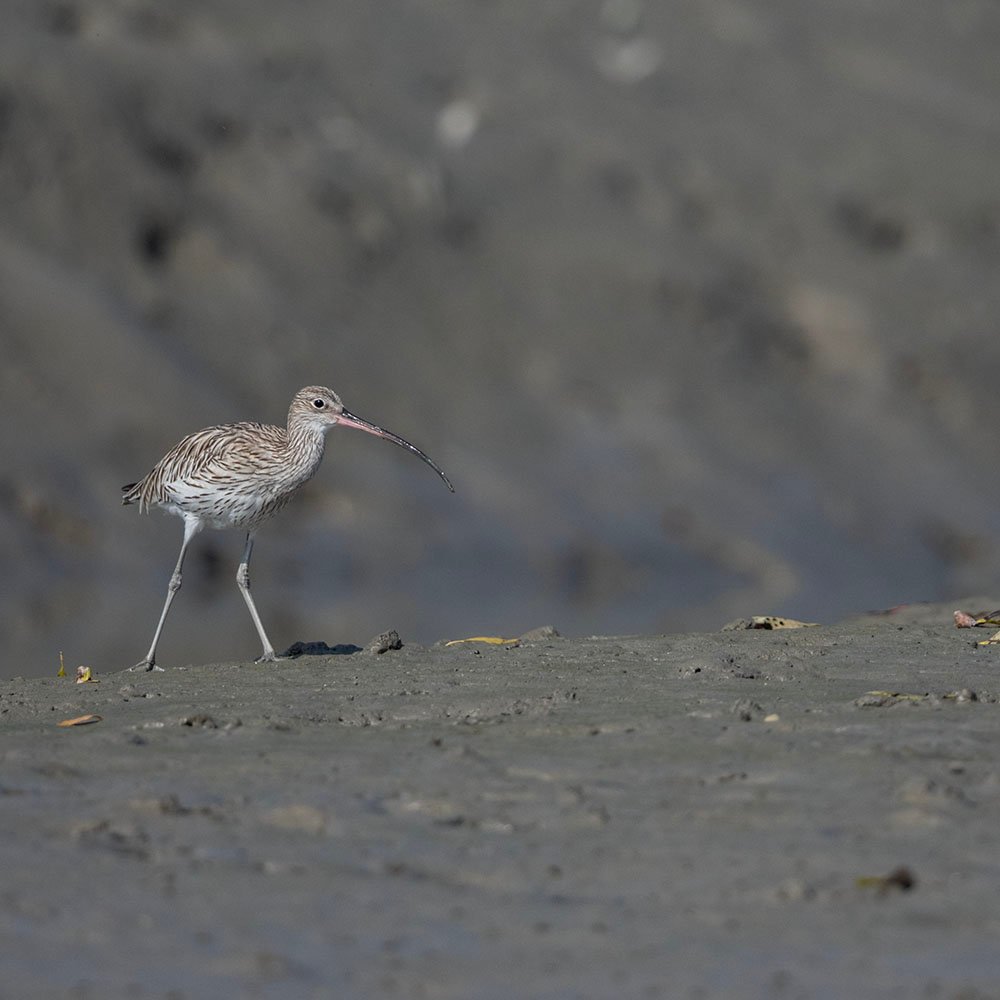
Expeditions are intentionally operated with limited participants to maintain quieter movement, flexible positioning, and more attentive wildlife observation.
Ethical Wildlife Distance
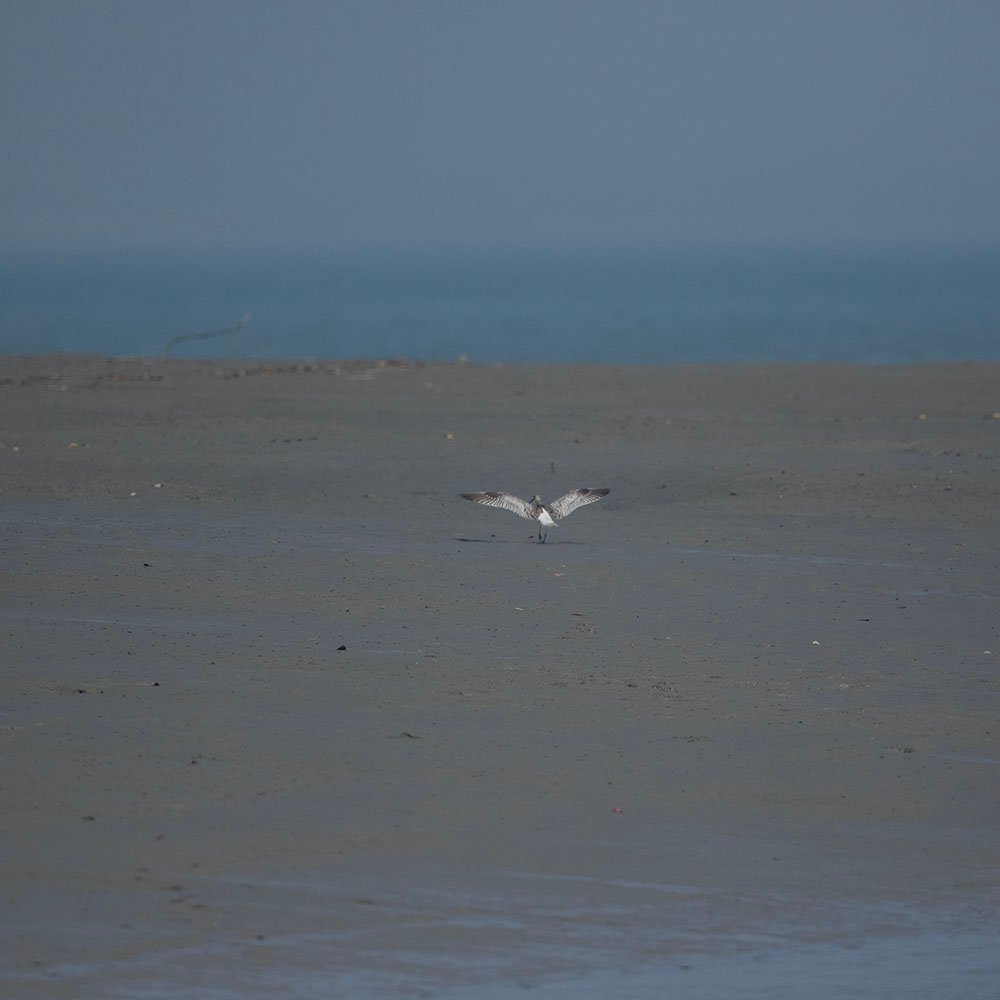
Wildlife encounters are approached with patience and respectful distance to minimize disturbance within fragile tidal habitats.
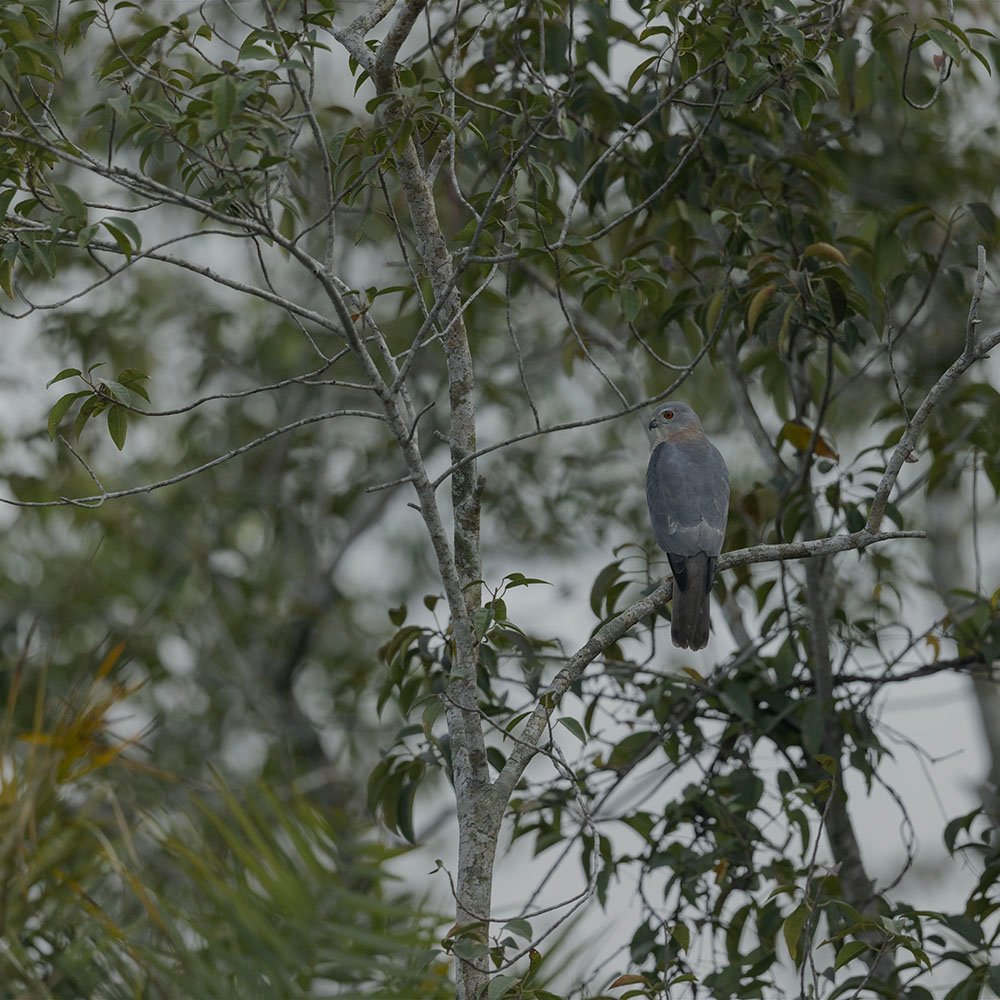
Conservation Before Visibility
Sensitive wildlife locations and active sightings are never publicly disclosed during ongoing field situations.
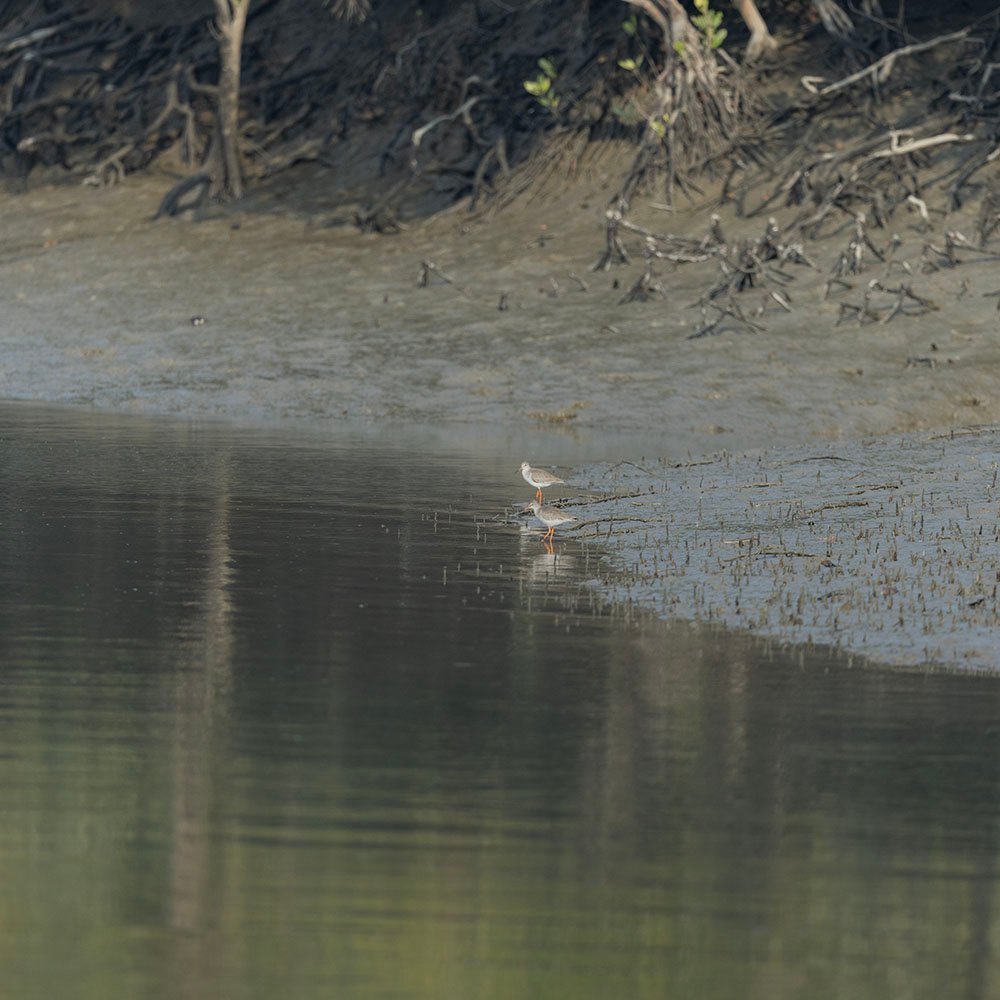
Observation Over Expectation
Every expedition is shaped by tides, weather, forest conditions, and the unpredictability of wilderness itself.
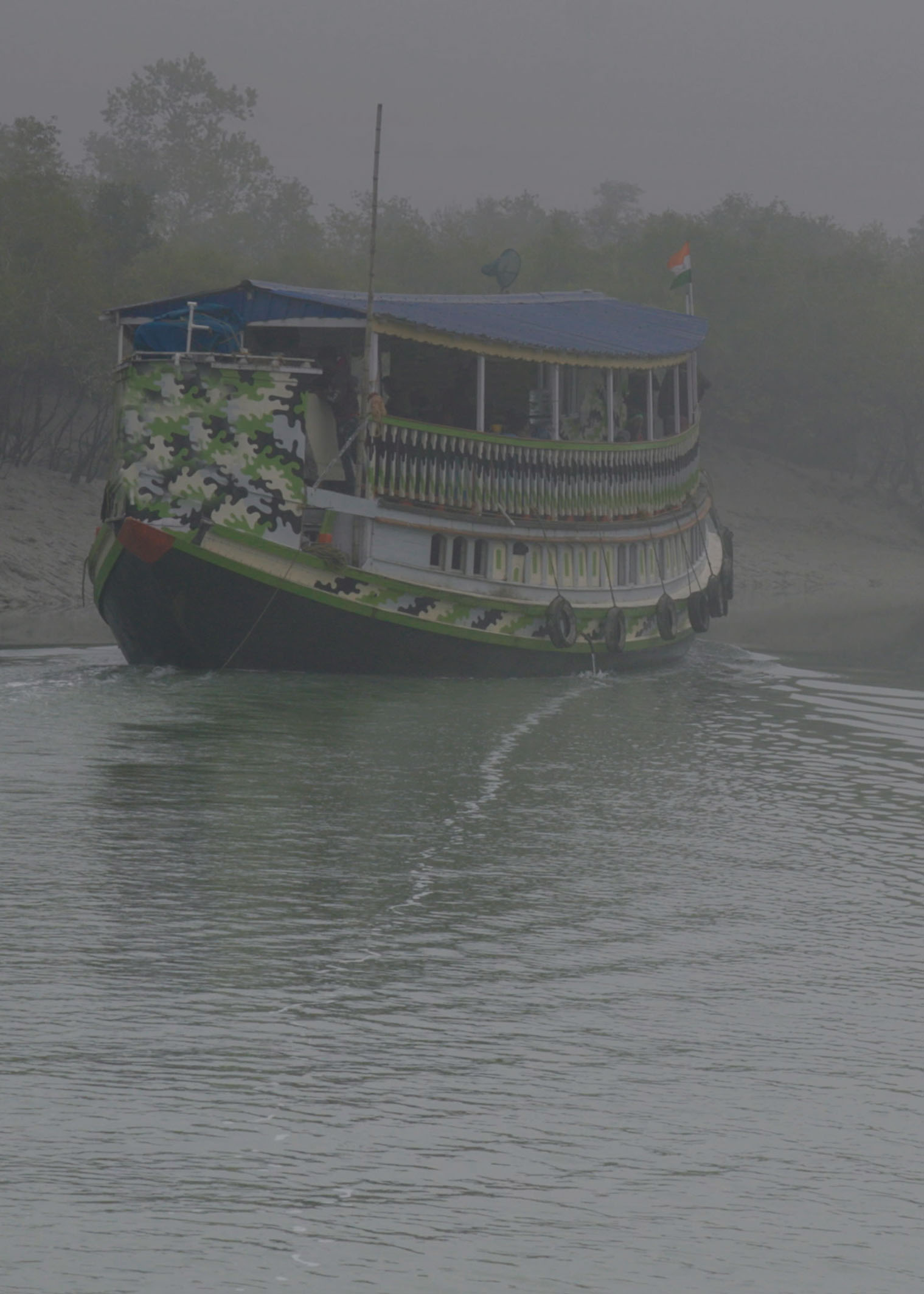
Life on the Expedition Vessel
Designed for patient wildlife observation, quiet creek navigation, and steady field movement across the tidal wilderness.
- Calm Field Movement
The vessel is designed for steady navigation through narrow tidal creeks, allowing quieter observation and reduced disturbance within sensitive habitats.
- Observation-Oriented Space
Open viewing areas and flexible positioning support patient wildlife observation and photography throughout changing light conditions.
- Rest Between Field Sessions
Simple resting spaces provide comfort during long hours in the field while maintaining focus on the surrounding wilderness environment.
- Safety & Prepared Navigation
Field movement is supported by experienced local navigation, tidal awareness, and operational preparedness across remote waterways.
The Field Team
The expedition is supported by experienced navigators, local crew members, and field coordinators whose long familiarity with the tidal landscape shapes every movement through the waterways.
Creek Navigation Experience
Local navigators possess years of practical understanding of narrow tidal creeks, seasonal routes, and changing water conditions across the Sundarbans delta.
Tidal & Wildlife Awareness
Field movement is guided by close observation of tides, weather, bird activity, and animal movement patterns within sensitive habitats.
Quiet Operational Coordination
From vessel preparation to field positioning, the crew works with disciplined coordination to maintain calm and uninterrupted observation conditions.
Long-Term Local Familiarity
Many members of the expedition team have spent years working within these waterways, developing deep familiarity with the rhythms of the mangrove ecosystem.
Conservation & Responsibility
Every expedition is guided by ecological sensitivity, ethical field practices, and long-term respect for fragile tidal ecosystems.
- No Real-Time Wildlife Disclosure
Sensitive wildlife sightings are never publicly shared during active field situations to minimize disturbance and protect natural movement patterns.
- Ethical Wildlife Observation
Wildlife encounters are approached with patience and respectful distance, without baiting, crowding, or disruptive positioning.
- Respect for Sensitive Habitats
Field movement follows low-disturbance practices designed around tidal conditions, breeding zones, and ecological sensitivity.
- Conservation Before Visibility
The long-term well-being of the ecosystem always takes priority over sightings, photography opportunities, or promotional exposure.
The wilderness is approached as a living ecosystem, not a staged experience.
Begin the Conversation
Whether you are planning a wildlife photography journey, exploratory field visit, documentary assignment, or a quieter wilderness experience across the Sundarbans, we would be glad to assist you with expedition details, seasonal conditions, and field planning guidance.
inquiry@wildsundarbanssafari.com
+91 9051496831
+91 9088780451
+91 9830385026
Every expedition begins with observation, patience, and respect for the wilderness.